Light Bulb Moments: Advancements in Power Engineering


In fast-paced society, electrical technology keeps evolving, bringing with it a host of breakthroughs that enhance our lives. Electricians play a key role in this landscape, ensuring that our homes are equipped with the most up-to-date safety protocols and effective wiring. As smart home devices become more popular of smart home devices and increasing reliance on electricity for everything from heating to security, comprehending the details of electrical infrastructure has never been more important.
From deciphering the complexities of home wiring regulations to solving common home electrical issues, skilled electricians are necessary for maintaining safe, efficient electrical setups. This article will discuss important elements of electrical systems, including the implementation of GFCIs, the significance of correct grounding, and the best practices for contemporary wiring techniques, giving an overview into how these approaches support both safety and progress in our homes.
Understanding Electrical Security and Codes
Electrical safety and conformity to regulations represents crucial elements for guaranteeing secure residential spaces. Getting to know with community wiring codes stands as crucial, because they provide the framework for safe electrical works and methods. These codes, often determined by bodies such as the National Electrical Code (NEC) of the United States, govern everything from various types of elements that can be used to certain installation techniques. Neglect to adhere with these regulations can not only endanger lives but also result in substantial judicial and monetary consequences.
A significant element of electrical safety is recognizing the significance of Ground Fault Circuit Interrupters (GFCIs). https://bm-electrical.uk/ are designed to disconnect power when they detect an irregularity of electrical current, typically triggered by a short circuit or grounding fault. They are especially essential in areas with high moisture, such as bathrooms and kitchens, where the threat of electrical shock is amplified. Understanding where and how to install GFCIs is crucial for any significant electrical work.
Furthermore, being aware of the safety protocols when doing tasks near water sources and the importance of proper grounding is critical. Grounding helps prevent shock by providing a path for the electricity to transfer safely to the ground in case of a fault. Electricians must also remain informed on code compliance, since regulations can change yearly. This knowledge not only ensures successful and secure installations but also protects homeowners from potential hazards that can occur from outdated or incorrect methods.
Diagnosing Common Electrical-related Issues
A of the most common electrical issues encountered in home settings is tripped breakers. A breaker trips if it detects an excessive load or a short circuit, cutting off power to avoid potential fire hazards. Residents should first check if the device on the circuit is functioning properly and not consuming excessive current. If it is an ongoing issue, identifying the exact outlet or appliance causing the trip can be essential. If several breakers are activating or if the problem continues, it may indicate a deeper electrical fault, which requires expert assessment.
Flickering lights and intermittent power issues are another concern. These symptoms may indicate loose wiring, a defective light bulb, or a fault in the circuit. Homeowners can start troubleshooting by replacing bulbs, ensuring they are tightly attached. If flickering continues, checking for loose connections in the light fixtures and at the switches is crucial. If the problem still exists, it may be a sign of a more significant electrical issue, like insufficient wiring for the load, requiring a qualified electrician's expertise.
Insufficient voltage issues for security systems, and the performance of smart devices can also cause problems. Such problems may stem from faulty wiring or poor connections that diminish power delivery. For instance, when setting up new technology, understanding gauge wire and its capacity to handle load is essential. Residents can inspect existing connections for damage and deterioration, ensuring secure connections to prevent voltage drops. If troubleshooting does not solve the issue, consulting a qualified electrician is crucial to ensure safety and proper functionality.
Top Guidelines for Dwelling Wiring Setups
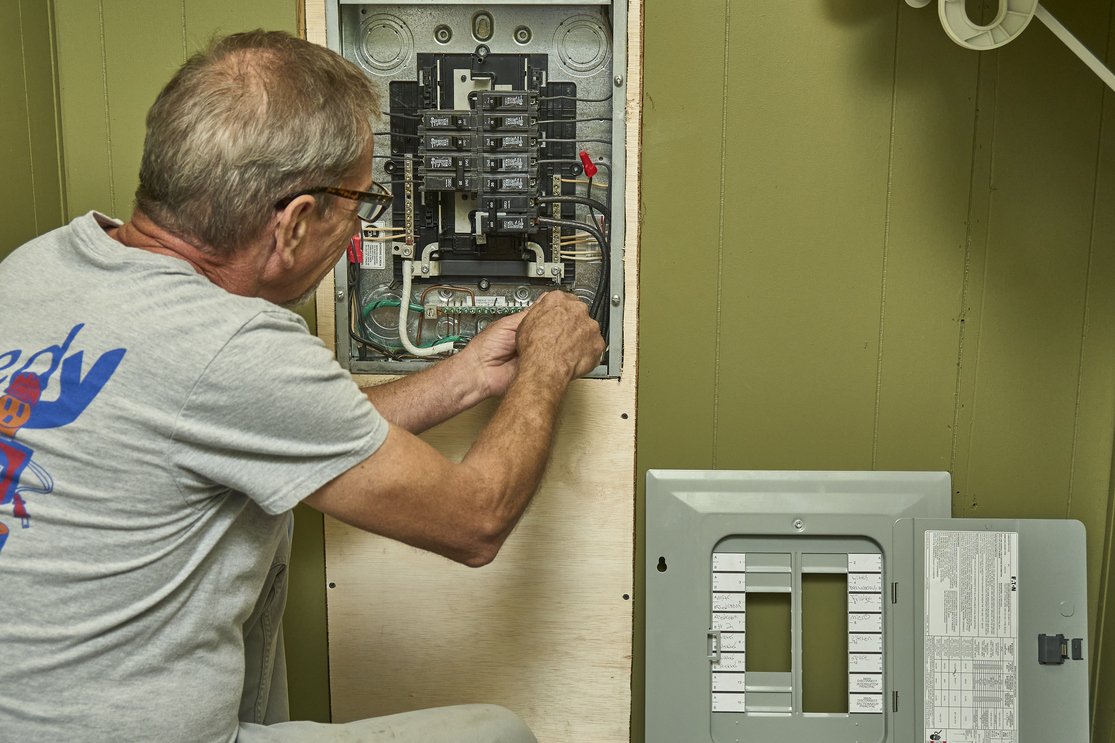
When performing residential electrical installations, it is essential to follow local building codes and security norms, ensuring that the work aligns to regulatory requirements. This includes comprehending the relevant home electrical standards and safety norms relevant in your area. Utilizing appropriate materials, abiding by guidelines for wire size selection, and ensuring that links are secure can significantly mitigate risks concerning electrical dangers. Always check the National Electrical Code (NEC) and local amendments to remain informed on compliance mandates.
Proper planning and layout arrangement are essential for residential wiring. A well-thought-out circuit layout can boost usability and meet the power requirements of contemporary appliances and intelligent home technologies. It's crucial to evaluate load estimates to stop circuit overloading, particularly as increased devices are incorporated into homes. Install GFCI outlets in areas with water sources, such as restrooms and kitchens, and ensure that all cabling is adequately grounded to ensure safety and efficiency in the home.
Finally, regular inspections and upkeep of existing electrical systems can increase their life and boost safety. Homeowners should be alert for signs of damage like frayed wires or flickering lights, which can suggest underlying issues. When encountering complex installations or safety issues, it is recommended to contact a certified electrician. Investing in professional expertise not only promotes safety but also ensures that installations are conducted according to superior practices, leading to reliable and functional electrical systems that meet current demands.