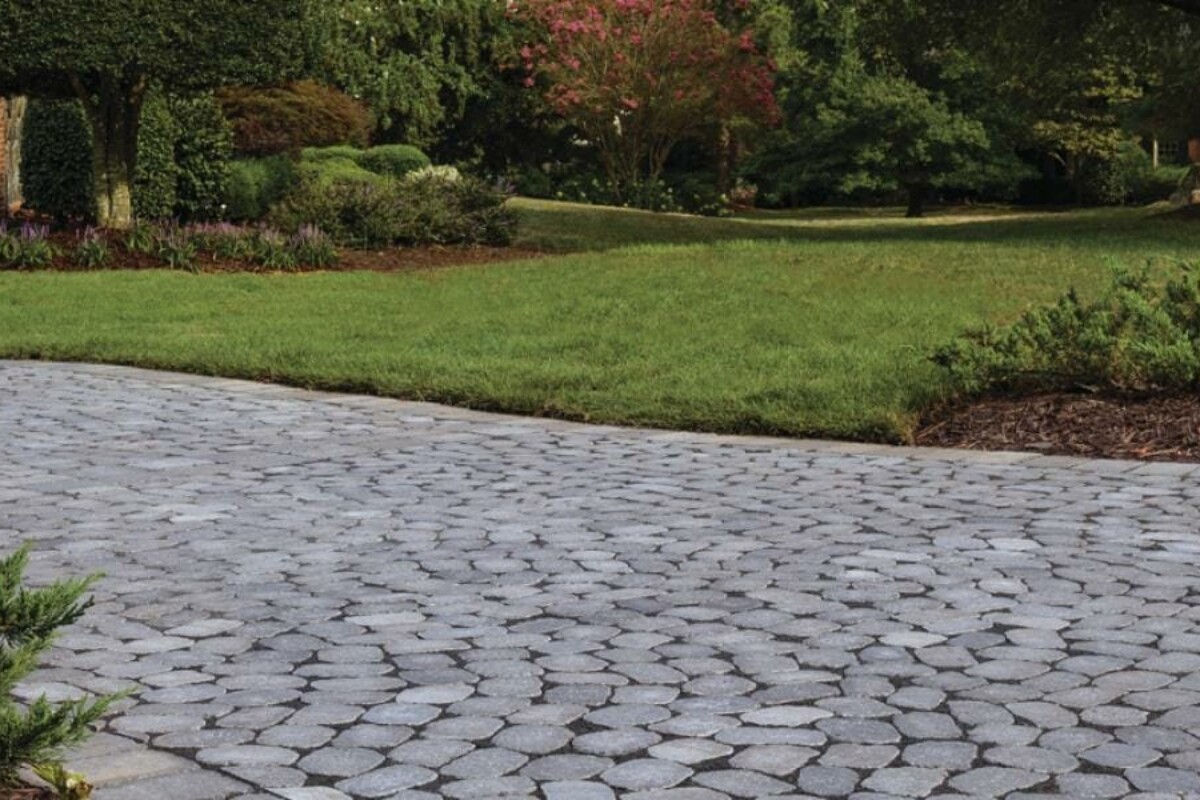
Paving Transformations: Critical Steps for a Beautiful Clean


In terms of it refers to maintaining your exterior areas, paver cleaning is frequently neglected yet is crucial for maintaining the aesthetics and functionality of your outdoor hardscape. Whether it's the path to your home, terrace, or swimming pool area, brick pavers can accumulate filth, residue, and spots over time, which can cause them to become look dull and not welcoming. The positive aspect is that offering your pavers a stunning transformation is entirely achievable with the proper methods and products.
In this guide, we will delve into the necessary actions for washing your pavers, from recognizing indications that indicate they require professional help to comprehending how to tackle stubborn stains. We will additionally cover the significance of protecting your pavers after you have cleaned to ensure their lifespan and vibrancy. By adhering to these tips and employing the appropriate tools, you can revitalize your outside environment and ensure it stays immaculate for many years.
Signs Your Pavers Need Expert Cleaning
One of the most visible indications that your brick pavers require expert cleaning is the presence of deep stains or discoloration. Over time, dirt, grime, and environmental factors can accumulate on the pavers, leading to an unsightly appearance. If you notice persistent stains that cannot be removed with simple cleaning, it's a clear sign that a deeper, more thorough cleaning is necessary.
Another warning sign is the growth of mold and algae on the patio pavers. These not only detract from the beauty of the outdoor space but can also pose health risks and create hazardous surfaces. If your pavers are consistently damp and show signs of fungus or algae growth, it is vital to seek expert cleaning services to ensure your patio remains secure and visually appealing.
Lastly, if you find that weeds are often sprouting between the pavers, it indicates that the joint sand may be compromised. Expert cleaning helps to remove existing weeds and refresh the sand, preventing them from returning. This thorough process not only revitalizes your bricks but also reinforces the structural integrity of your patio or driveway.
Key Steps for Cleaning and Protecting Pavers
The first step in cleaning your pavers is to assess their state and figure out the optimal approach. Begin by getting rid of loose debris such as foliage and dirt using a broom or leaf blower. Inspect for any grease spots or mold, which may require extra attention. For stubborn fungus or algae, consider applying a fitting eco-friendly cleaner to help remove the issue before you start scrubbing. Certain stains may require dedicated treatment, so be sure to spot those early on.
Once the surface is prepped, it’s time to thoroughly clean the pavers. Using a pressure washer is a popular method, but it's crucial to use the correct pressure settings to reduce damaging the pavers. For very stained areas, consider using a high-pressure turbo nozzle, but with attention since improper use can lead to paver damage. After washing, allow have a peek at this website to set completely to prevent moisture from interfering with the sealing process.
In conclusion, protecting your pavers is crucial for durability and safeguarding. Select between a wet-look or matte sealer based on your personal style. Spread the sealer evenly using a roller, making sure to apply to all areas well. Pay attention to paver joints, as this is where joint stabilizing sand can make a significant difference in stopping weed growth. Once the sealer is applied, provide ample drying time as advised, ensuring your newly washed and protected pavers will look stunning for years to come.
Maintenance Guidelines for Longevity of Paving Slabs
To secure the longevity of your pavers, regular maintenance is crucial. Start by setting up a routine cleaning plan, ideally every six to twelve months, considering the traffic and environmental conditions. Employ a leaf blower or vacuum to take away grime, foliage, and soil, preventing any collection that could result in discoloration or discoloration. Combine this with a thorough cleaning using a soft cleaner and a non-abrasive brush to prevent scratching the surface, ensuring your stones appearing vibrant.
Another, critical aspect of paver maintenance is addressing any weed growth immediately. Unwanted plants can not only diminish the visual appeal but also threaten the integrity of your stones. Contemplate laying a specialized sand in the gaps after cleaning to avoid new growth and give an extra degree of reinforcement. Moreover, checking the state of your joint sand and refilling it as necessary can enhance drainage and prolong the life of your pavers.
In conclusion, always be cautious with high-pressure cleaning techniques. Although it may seem efficient, using high-pressure machines can damage the surface of your pavers if not done correctly. Rather, choose medium pressure levels and use wide spray nozzles rather than pinpoint nozzles. This approach minimizes the risk of cracking or cracking while guaranteeing a effective cleaning. Consistent maintenance, together with correct cleaning techniques, can keep your stones in excellent condition for the future to come.